




Asthma
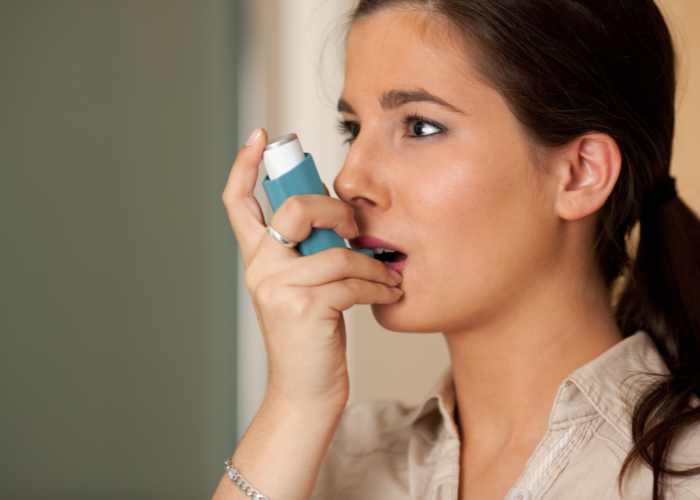
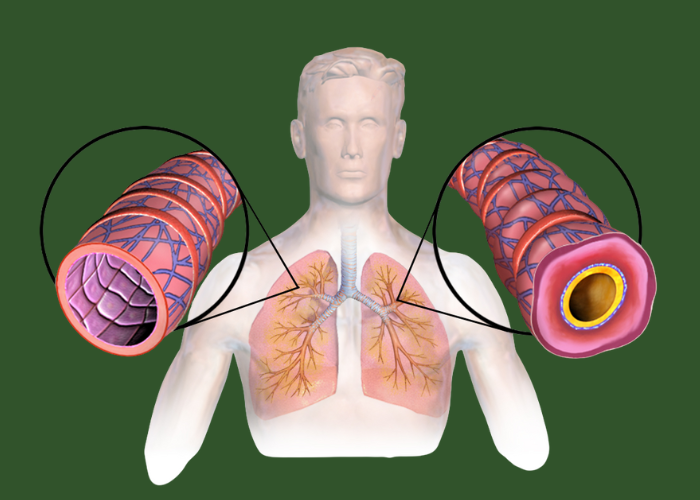
Asthma is a chronic respiratory condition in which the airways become inflamed, narrowed, and overly sensitive, leading to breathing difficulty. People with asthma may experience symptoms such as wheezing, shortness of breath, chest tightness, and coughing, especially at night or early morning. These symptoms can vary in severity and may be triggered by allergens, infections, exercise, cold air, or exposure to smoke and pollution.
Although asthma is a long-term condition, it can be effectively controlled with proper diagnosis, medication, and lifestyle management. Inhalers, avoidance of triggers, regular follow-ups, and patient education play a key role in preventing asthma attacks and maintaining a good quality of life. With the right treatment plan, most people with asthma can lead active and healthy lives. Consult the Best Asthma Specialist in Khammam for accurate diagnosis, effective treatment, and long-term asthma management.
Asthma Care & Management
- Early Diagnosis & Screening
- Personalized Asthma Treatment Plans
- Inhaler & Nebulization Therapy
- Allergy & Trigger Identification
- Emergency Asthma Care Services
- Pulmonary Function Testing (PFT)
- Asthma Education & Counseling
- Pediatric & Adult Asthma Care
- Long-Term Asthma Control Management
- Lifestyle & Trigger Avoidance Guidance
Types of Asthma
Asthma is a chronic respiratory condition that affects the airways, causing inflammation and narrowing, which leads to difficulty in breathing. While the underlying mechanism is similar, asthma can be classified into different types based on its causes, triggers, and patterns of occurrence. Understanding the type of asthma is essential for effective treatment and management.
1. Allergic (Extrinsic) Asthma
Allergic asthma is the most common type and is triggered by allergens such as pollen, dust mites, pet dander, mold, or certain foods. It often starts in childhood and may be associated with other allergic conditions like eczema or hay fever. Symptoms can include wheezing, coughing, shortness of breath, and chest tightness, often worsening upon exposure to allergens. Treatment typically includes inhaled corticosteroids, antihistamines, and avoiding known triggers.
2. Non-Allergic (Intrinsic) Asthma
Non-allergic asthma is not triggered by allergens but by factors such as respiratory infections, stress, cold air, smoke, or exercise. This type of asthma often develops in adulthood and can be more persistent and severe than allergic asthma. Management focuses on controlling inflammation and preventing attacks through medications like corticosteroids and bronchodilators.
3. Exercise-Induced Asthma (EIA)
Also known as exercise-induced bronchoconstriction, this type occurs during or after physical activity. Symptoms include coughing, wheezing, shortness of breath, and chest tightness, usually starting within a few minutes of exercise. Warm-ups, pre-exercise medications, and avoiding triggers like cold air can help reduce episodes.
4. Occupational Asthma
This form of asthma develops due to exposure to irritants or allergens in the workplace, such as chemical fumes, dust, gases, or industrial pollutants. Symptoms may improve when away from work but worsen during work hours. Early diagnosis and avoiding exposure are crucial for preventing long-term lung damage.
5. Nocturnal Asthma
Nocturnal asthma is characterized by worsening symptoms at night, leading to disturbed sleep. Triggers include lying down, exposure to allergens in bedding, or circadian changes in hormone levels that affect airway inflammation. Proper medication timing, managing allergens, and lifestyle adjustments can help control this type.
6. Severe Asthma (Best Pulmonologist in Khammam)
Severe asthma is a persistent form that is difficult to control despite regular treatment. Patients may experience frequent attacks, significant limitation in daily activities, and a higher risk of hospitalization. Advanced treatments, including biologic therapies, are often required for management.
Frequently asked questions
Asthma is a chronic condition that affects the airways in the lungs, causing them to become inflamed and narrow. This can lead to wheezing, coughing, shortness of breath, and chest tightness.
Symptoms include frequent coughing (especially at night), wheezing, shortness of breath, and a feeling of tightness in the chest. Symptoms can worsen with triggers such as allergens, cold air, or exercise.
Asthma can be caused by a combination of genetic and environmental factors. Common triggers include allergens (dust, pollen, pet dander), respiratory infections, pollution, exercise, stress, and certain medications.
Doctors usually diagnose asthma through a medical history, physical examination, and lung function tests like spirometry or peak flow measurement. Allergy testing may also be performed to identify triggers.