




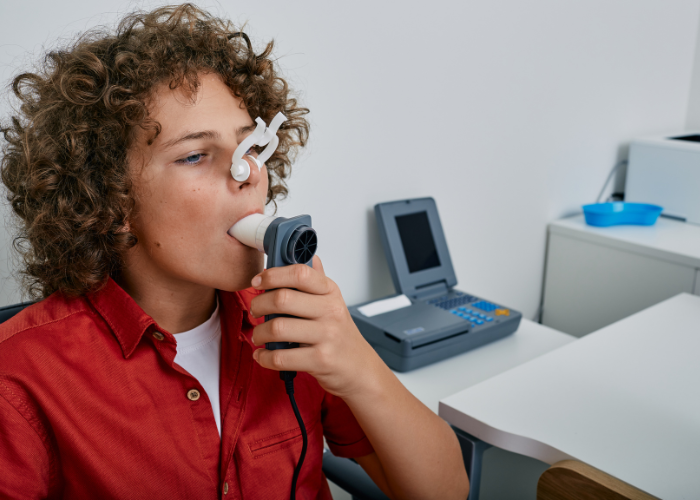
Pulmonary Function Test (PFT)
A Pulmonary Function Test (PFT) is a non-invasive set of tests used to assess how well the lungs are working. PFTs measure lung volume, capacity, rates of airflow, and gas exchange to help diagnose respiratory conditions such as asthma, chronic obstructive pulmonary disease (COPD), interstitial lung disease, and other lung disorders. They are essential for evaluating the severity of lung disease, monitoring progression, and assessing response to treatment. PFTs are also used before surgeries or for occupational health evaluations.
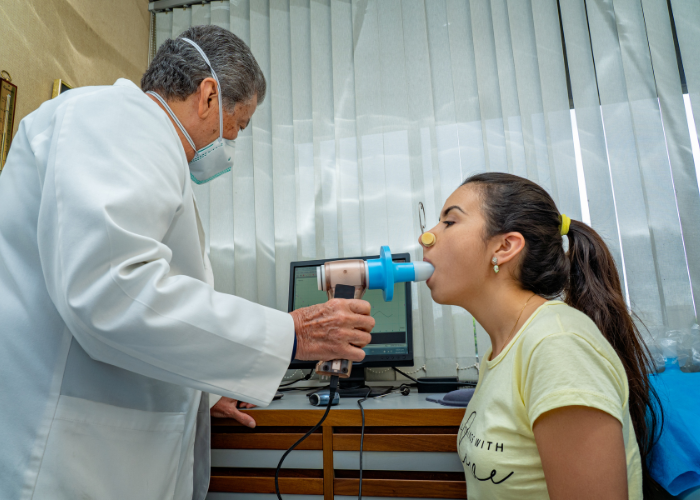
During the test, patients breathe into a device called a spirometer, often performing specific breathing maneuvers under the guidance of a respiratory therapist. Advanced PFTs may include measuring lung volumes, diffusion capacity, and oxygen levels. The results provide crucial information about airway obstruction, restriction, and lung function efficiency. PFTs are safe, painless, and provide valuable data for accurate diagnosis and effective treatment planning. Consult us for Pulmonary Function Test (PFT) in Khammam for accurate assessment of lung function, early diagnosis of respiratory conditions, and personalized treatment planning.
Care & Management Before and After PFT
- Avoid smoking for several hours before the test
- Do not consume heavy meals immediately before testing
- Avoid bronchodilator medications if instructed
- Wear loose, comfortable clothing
- Follow doctor’s instructions for inhalers or medications
- Relax and perform breathing maneuvers as guided
- Inform technician of any recent respiratory infections
- Rest after the test if feeling lightheaded
- Review and discuss results with your doctor
- Schedule follow-up PFTs as recommended for monitoring
Uses & Importance of PFT
1. Diagnostic:
2. Monitoring(Lung Capacity Test in Khammam):
3. Occupational & Research:
Frequently asked questions
A test to measure lung function, airflow, and capacity.
No, it is non-invasive and painless.
Usually 30–60 minutes depending on the tests performed.
Avoid smoking, heavy meals, and certain inhalers if instructed.