




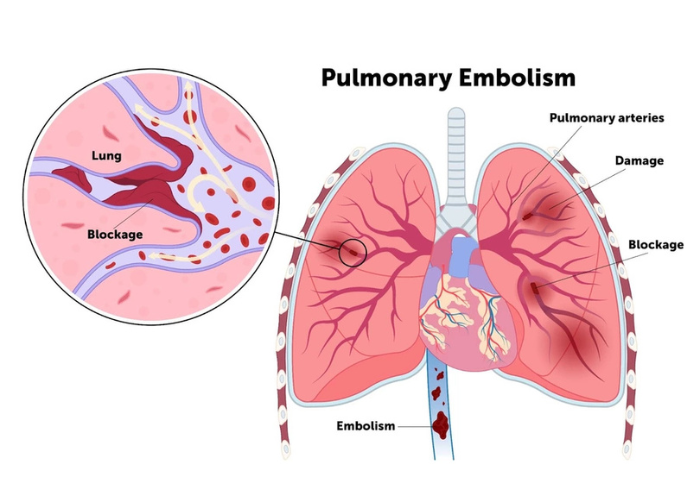
Pulmonary Embolism
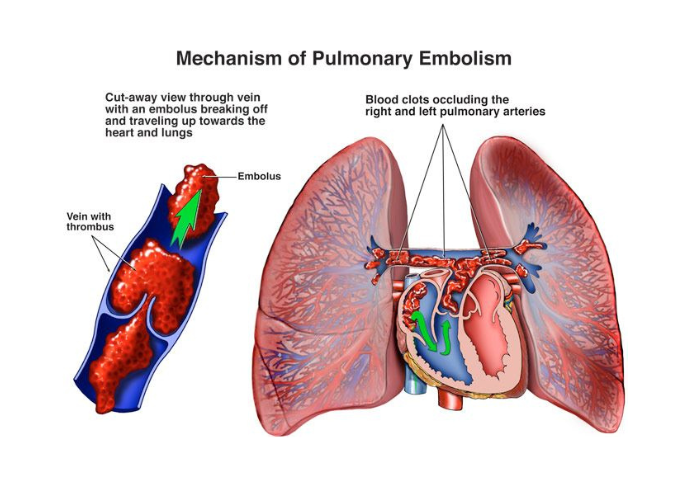
Pulmonary embolism (PE) is a serious condition that occurs when a blood clot, usually from the deep veins of the legs (deep vein thrombosis), travels to the lungs and blocks one or more pulmonary arteries. This blockage can reduce blood flow to the lungs, causing damage to lung tissue and strain on the heart. Common symptoms include sudden shortness of breath, chest pain (often sharp or stabbing), rapid heartbeat, coughing (sometimes with blood), dizziness, and anxiety. Pulmonary embolism is a medical emergency and can be life-threatening if not diagnosed and treated promptly.
Diagnosis typically involves a combination of medical history, physical examination, blood tests (like D-dimer), imaging studies such as CT pulmonary angiography, ultrasound of the legs, or ventilation-perfusion (V/Q) scans. Risk factors include prolonged immobility, surgery, obesity, smoking, certain medications, pregnancy, and genetic clotting disorders. Prompt recognition, treatment, and preventive measures are crucial to reduce the risk of complications, recurrence, and mortality. Consult us for Pulmonary Embolism Treatment in Khammam for early diagnosis, expert management, and comprehensive care to protect your lung and heart health.
Care & Management of Pulmonary Embolism
- Seek immediate medical attention if symptoms appear
- Prevent immobility: walk regularly, avoid prolonged sitting
- Follow prescribed anticoagulant therapy
- Monitor for signs of bleeding or clot recurrence
- Maintain healthy weight and lifestyle
- Avoid smoking and reduce cardiovascular risk factors
- Compression stockings (for DVT prevention)
- Hydration to reduce blood thickening
- Follow-up imaging and checkups as advised
- Educate on early warning signs of PE and DVT
Treatment of Pulmonary Embolism
1. Medications:
2. Procedures(Anticoagulation Therapy for Pulmonary Embolism in Khammam):
3. Lifestyle & Preventive Measures:
Frequently asked questions
A blockage in the lung arteries, usually caused by a blood clot from the legs.
Sudden shortness of breath, sharp chest pain, rapid heartbeat, cough, dizziness.
Yes, if untreated, it can cause severe complications or death.
Through imaging (CT pulmonary angiography, V/Q scan), D-dimer tests, and leg ultrasounds.