





Smoke Cessation Programs
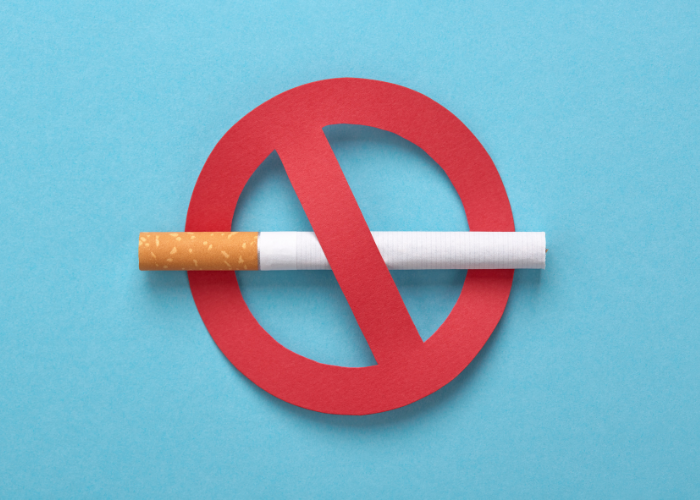
Smoke cessation programs are structured interventions designed to help individuals quit smoking and reduce dependence on nicotine. Smoking is a major risk factor for lung diseases such as COPD, lung cancer, chronic bronchitis, and cardiovascular disorders. These programs combine behavioral therapy, counseling, medication, and lifestyle changes to support individuals in overcoming the physical and psychological addiction to nicotine. Participating in a smoke cessation program significantly increases the chances of successfully quitting and improving long-term health outcomes.
Programs are tailored to individual needs and may include one-on-one counseling, group sessions, educational resources, and support hotlines. Medications such as nicotine replacement therapy (patches, gums, lozenges) or prescription drugs (varenicline, bupropion) can help reduce cravings and withdrawal symptoms. Long-term follow-up and support are essential to prevent relapse. Smoke cessation not only improves lung health but also reduces the risk of heart disease, strokes, and complications from chronic illnesses. Consult us for the Best Quit Smoking Program in Khammam for expert guidance, personalized support, and effective strategies to help you become smoke-free and improve your lung health.
Care & Management in Smoke Cessation
- Seek professional counseling or join support groups
- Use nicotine replacement therapy if prescribed
- Take medications as directed by doctor
- Identify triggers and avoid smoking environments
- Track progress and set realistic goals
- Practice stress-reduction techniques (exercise, meditation)
- Maintain a healthy diet and hydration
- Educate family and friends to provide support
- Attend follow-up sessions for motivation and guidance
- Celebrate milestones and progress
Benefits & Importance of Smoke Cessation Programs
1. Health Benefits(Best Smoking Cessation Therapy in Khammam):
2. Behavioral & Psychological Support:
3. Long-Term Success:
Frequently asked questions
A structured plan combining counseling, therapy, and medication to help people quit smoking.
Not always, but nicotine replacement or prescription drugs can increase success rates.
It varies; some may quit within weeks, others need months of structured support.
Yes, group counseling and peer support significantly improve success.