




Tuberculosis
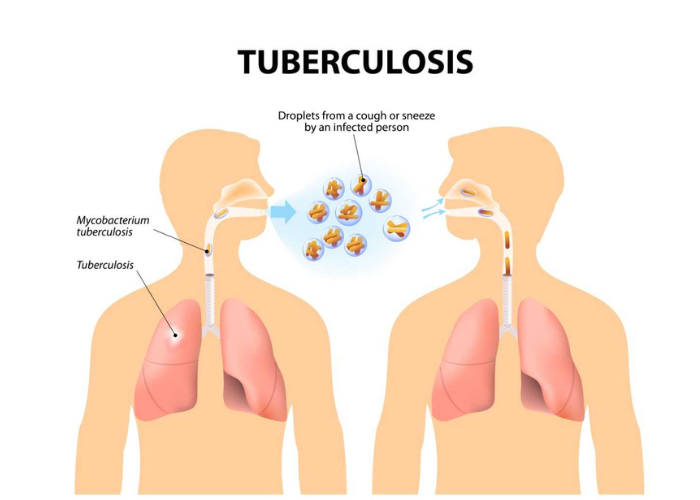
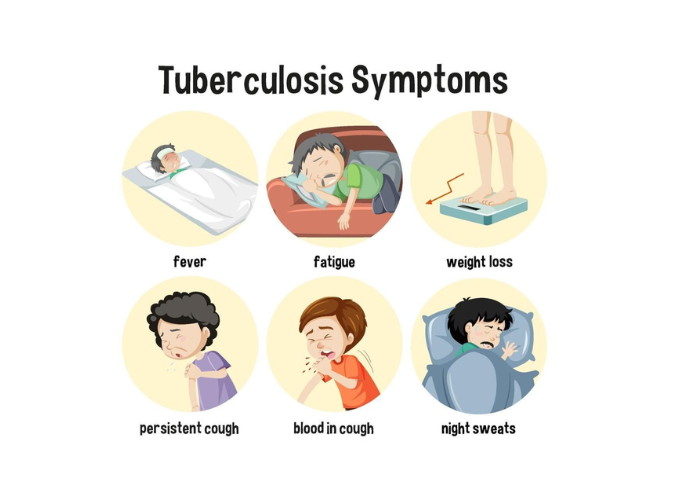
Tuberculosis (TB) is a contagious bacterial infection caused by Mycobacterium tuberculosis, primarily affecting the lungs but can also impact other organs such as the kidneys, spine, and brain. TB spreads through airborne droplets when an infected person coughs or sneezes. Common symptoms include persistent cough, fever, night sweats, weight loss, and fatigue. Early diagnosis and proper treatment are crucial, as untreated TB can lead to severe complications and can be life-threatening. Consult us for Pulmonary Tuberculosis Treatment in Khammam for timely diagnosis, comprehensive care, and effective management of tuberculosis.
There are two forms of TB: latent TB, where the bacteria remain in the body without causing symptoms, and active TB, which shows symptoms and can spread to others. Diagnosis typically involves a combination of chest X-rays, sputum tests, and TB skin or blood tests. Treatment requires a strict regimen of multiple antibiotics over several months to ensure complete eradication of the bacteria and prevent drug resistance. Preventive measures, timely vaccination with BCG, and avoiding close contact with infected individuals are essential to control the spread of TB.
Care & Management of Tuberculosis
- Complete prescribed antibiotic regimen
- Isolate active TB patients to prevent spread
- Monitor symptoms and follow-up with doctor
- Adequate rest and balanced nutrition
- Avoid smoking and alcohol
- Maintain good ventilation at home
- Supportive care: hydration, cough management
- Screening of close contacts
- Regular check-ups for latent TB
- Educate about TB transmission and hygiene
Treatment of Tuberculosis
1. Medications(TB Screening and Management in Khammam):
2. Treatment Duration:
3. Additional Measures:
Frequently asked questions
Through airborne droplets from an infected person’s cough or sneeze.
Yes, with complete adherence to the prescribed antibiotic regimen.
TB bacteria are present in the body without causing symptoms or spreading to others.
Usually 6 months for drug-sensitive TB; longer for drug-resistant forms.