




Sleep Study
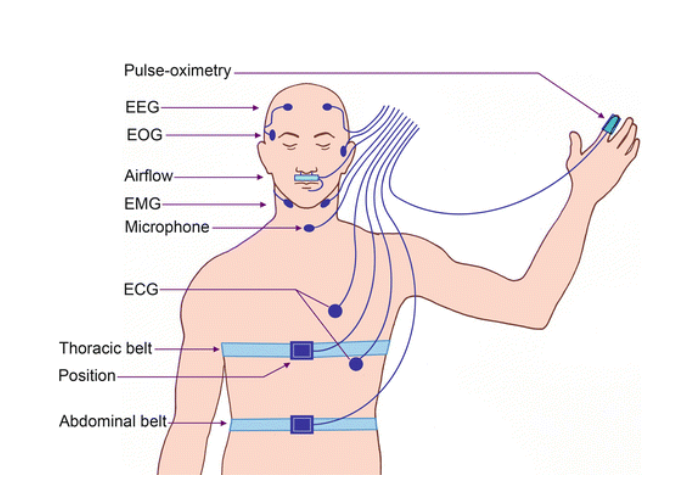
A sleep study, also called polysomnography, is a comprehensive test used to diagnose sleep disorders, including sleep apnea, insomnia, restless legs syndrome, and narcolepsy. During the study, various body functions are monitored while you sleep, such as brain activity (EEG), eye movements, heart rate, oxygen levels, airflow, and muscle activity. This test helps doctors understand sleep patterns, identify breathing disturbances, and determine the severity of sleep-related problems. Sleep studies are essential for planning effective treatment and improving overall sleep quality.
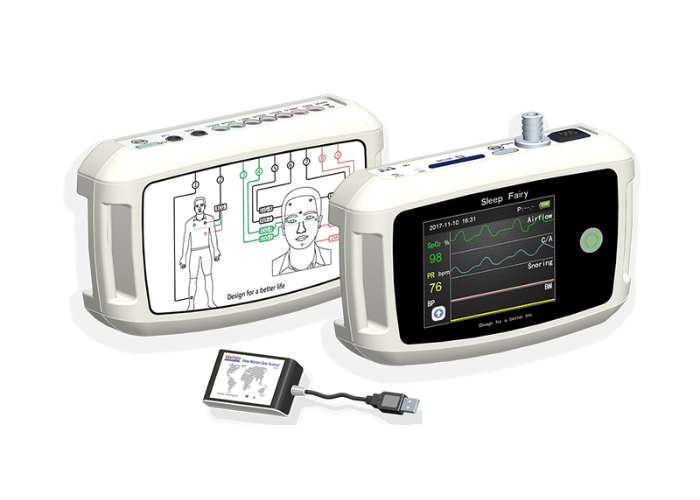
Sleep studies can be conducted in a sleep lab under professional supervision or at home using portable monitoring devices for certain conditions. The procedure is safe, painless, and usually performed overnight. Results from the sleep study allow doctors to tailor treatments, such as CPAP therapy for sleep apnea, lifestyle changes, or medications, to ensure better sleep and reduce the risk of complications such as cardiovascular problems, daytime fatigue, and cognitive impairment. Consult us for a Polysomnography (PSG) Test in Khammam for comprehensive sleep evaluation, accurate diagnosis of sleep disorders, and personalized treatment recommendations for better sleep and overall health.
Care & Management Before and After Sleep Study
- Follow pre-test instructions from the sleep center
- Avoid caffeine, alcohol, and heavy meals before the study
- Maintain usual sleep schedule
- Bring comfortable sleepwear and personal items
- Take regular medications unless instructed otherwise
- Avoid excessive daytime naps on the day of the study
- Relax and try to sleep naturally during the study
- Report any discomfort or equipment issues to staff
- Review and discuss results with your doctor
- Follow recommended treatment or lifestyle adjustments
Uses & Importance of Sleep Study
1. Diagnosis:
2. Treatment Planning(Polysomnography (PSG) Test in Khammam):
3. Monitoring:
Frequently asked questions
A test that monitors sleep patterns and body functions to diagnose sleep disorders.
No, it is non-invasive and painless.
Usually overnight (6–8 hours), sometimes shorter for home studies.
Avoid caffeine/alcohol, follow usual sleep routines, and bring personal items.