




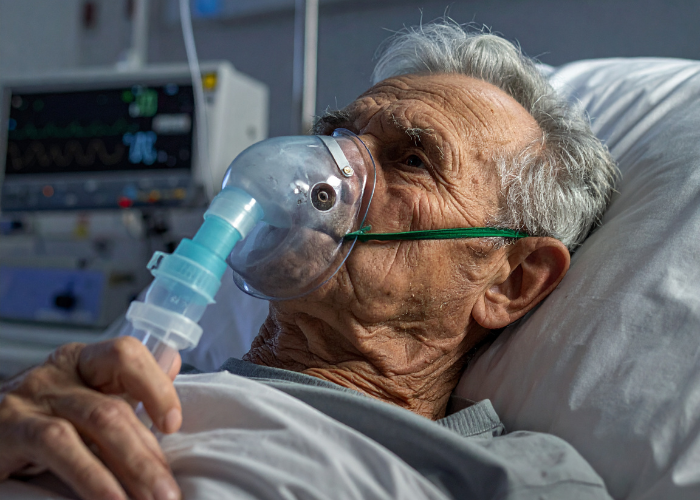
Long Term Oxygen Therapy
Long Term Oxygen Therapy (LTOT) is a medical treatment in which supplemental oxygen is provided to patients who have chronic low oxygen levels in their blood due to lung diseases such as chronic obstructive pulmonary disease (COPD), interstitial lung disease (ILD), pulmonary hypertension, or severe heart conditions. LTOT helps improve oxygenation, reduces the workload on the heart, enhances energy levels, and improves overall quality of life. It is prescribed for patients with persistent hypoxemia (low blood oxygen) even at rest or during minimal activity. Consult us for the Best Long-Term Oxygen Therapy in Khammam for expert evaluation, safe oxygen support, and comprehensive respiratory care to improve your daily living and health outcomes.
LTOT is typically administered using oxygen concentrators, portable oxygen cylinders, or liquid oxygen systems, allowing patients to maintain mobility and independence. Therapy duration may range from several hours during the day to continuous use, depending on medical recommendations. Proper training, adherence, and regular monitoring are essential to ensure safety and effectiveness. With long-term oxygen therapy, patients often experience improved survival rates, better sleep, reduced complications, and enhanced daily functioning.
Care & Management of LTOT
- Use oxygen exactly as prescribed by your doctor
- Ensure proper flow rate and duration of oxygen use
- Keep oxygen equipment clean and well-maintained
- Avoid open flames, smoking, or flammable materials near oxygen
- Monitor oxygen saturation regularly
- Check for skin irritation from nasal cannulas or masks
- Maintain hydration and lung hygiene
- Follow-up with pulmonologist for adjustments
- Educate family and caregivers on safe oxygen use
- Maintain backup oxygen supply if needed
Uses & Importance of LTOT
1. Symptom Relief:
2. Disease Management(Best Home Oxygen Therapy in Khammam):
3. Quality of Life:

Frequently asked questions
Long-term oxygen therapy provides supplemental oxygen for patients with chronic low blood oxygen levels.
Patients with chronic lung diseases, severe COPD, ILD, pulmonary hypertension, or heart disease with hypoxemia.
Yes, when used as prescribed; precautions are necessary to avoid fire hazards and equipment misuse.
Typically 15+ hours/day or as recommended by the doctor.